

IMPORTANT CARE INFORMATION
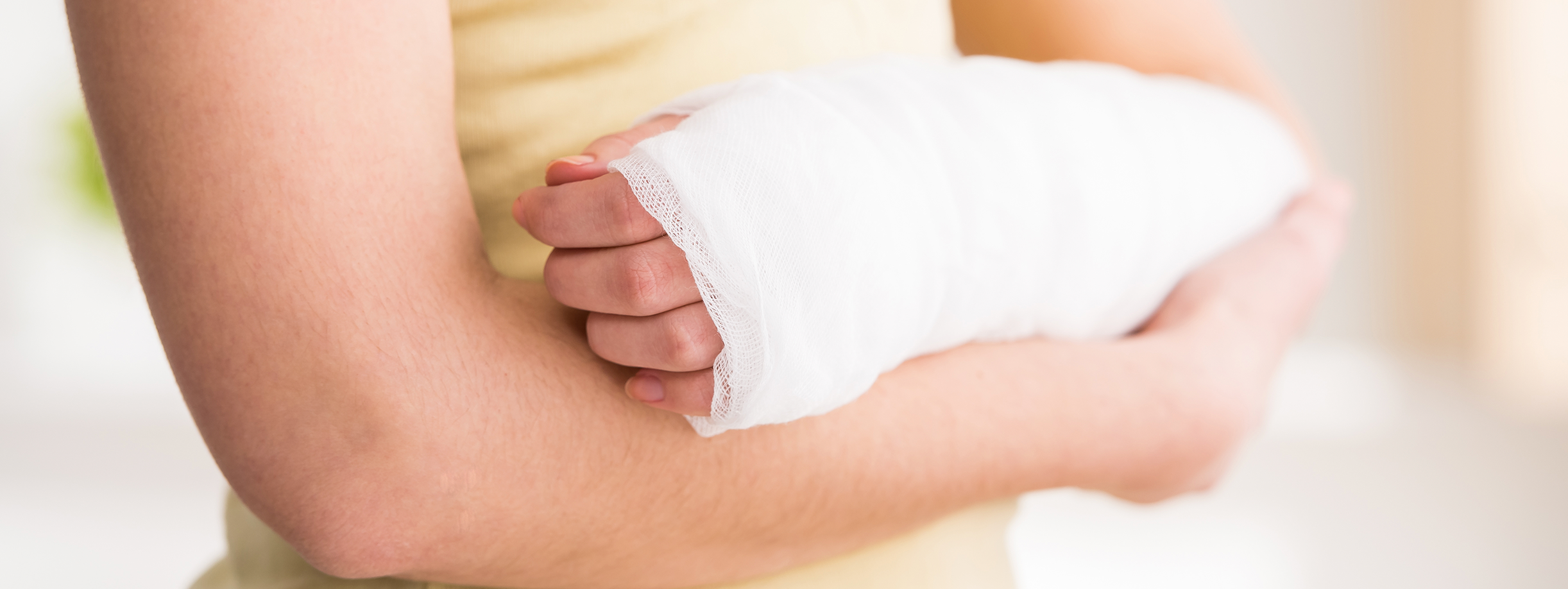
Casts and splints are orthopedic devices used to immobilize and protect bones and joints after a fracture, sprain, surgery, or other injury. Follow these recommendations to ensure a successful recovery:
- Cast/Splint Care:
○ Keep the cast or splint clean and dry.Moisture can irritate the skin and damage the cast.
○ If you have a fiberglass cast, you can gently clean it with a damp cloth. Traditional plaster casts should be kept away from water.
○ If the cast gets wet, dry it as soon as possible using a hair dryer on a cool setting.
- Elevation:
○ Elevate the injured limb above heart level whenever possible, especially during the first few days after the injury. This helps reduce swelling and pain.
- Mobility:
○ Move your fingers or toes regularly to improve circulation and prevent stiffness.
- Itching:
○ Do not insert objects inside the cast to scratch. If itching occurs, try blowing cool air into the cast with a hair dryer on a cool setting or consult your doctor.
- Skin Inspection:
○ Check the skin around the edges of the cast or splint daily for signs of irritation or pressure.
○ If you notice redness, blisters, or sores, contact your doctor.
- Warning Signs
Contact Your Doctor Immediately If You Experience:
■ Increasing pain or swelling
■ Numbness or tingling in fingers or toes
■ Color changes in fingers or toes (pale, blue, or cold)
■ Difficulty moving fingers or toes.
■
■ Foul odor or discharge from the cast.
- Medical Follow-Up:
○ Attend all scheduled follow-up appointments. Your doctor needs to monitor the healing process and adjust treatment if necessary.
Following these guidelines helps ensure a successful recovery and minimizes the risk of complications while using a cast or splint.
Comments are closed