A fracture is a break in a bone, most commonly caused by trauma, falls, or accidents, although it can also result from overuse or underlying conditions.
It may range from a small crack to a complete break with displacement of the bone fragments. Fractures can affect any bone in the body and vary greatly in severity.
Choosing the right treatment is essential to prevent complications, restore the bone’s shape and function, promote proper healing, and speed up recovery.
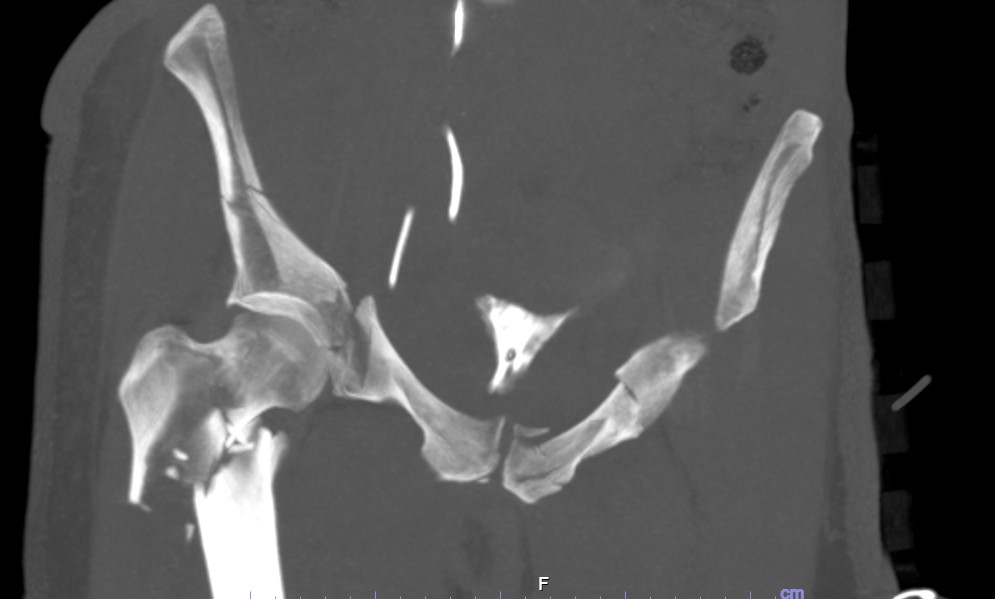
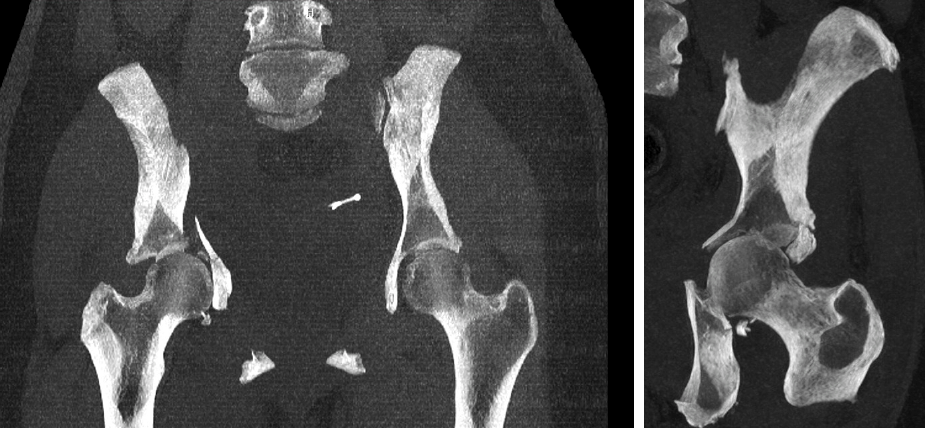
PELVIC AND ACETABULAR FRACTURES
The pelvis connects the spine to the legs and supports the weight of the body. It can fracture as a result of high-energy trauma or due to osteoporosis.
The acetabulum is the part of the pelvis that forms the socket where the head of the femur fits, creating the hip joint.
Some fractures heal with rest, while others require surgery.
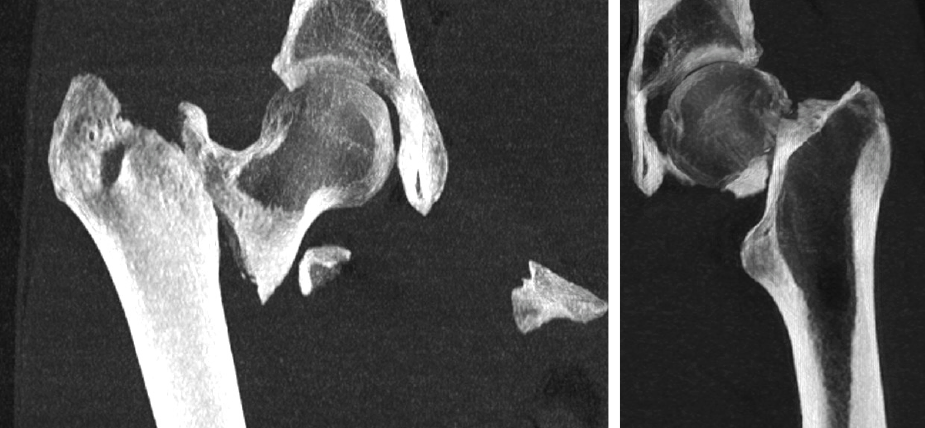
HIP FRACTURES
These fractures (proximal femur) are common in older adults after a fall.
Treatment options range from osteosynthesis (fixing the bone with nails, screws, or plates) with to hip replacement, depending on the type of fracture (subcapital, intertrochanteric, or subtrochanteric).
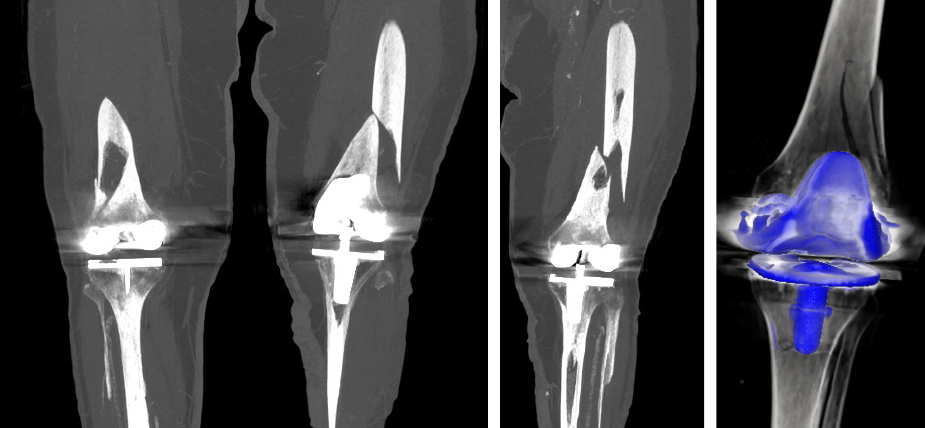
PERIPROSTHETIC FRACTURES
These occur around an existing hip and/or knee prosthesis. Some fractures can be treated osteosynthesiswhich involves fixing the bone with screws, plates, or nails so that it can heal and regain its function.
In other cases, partial or complete replacement of the prosthesis may be necessary..
The goal of the procedure is to stabilize the area and promote recovery, allowing the patient to walk again as soon as possible.
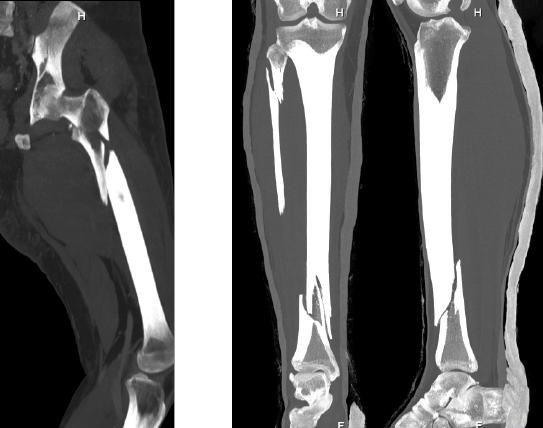
FEMUR AND TIBIA FRACTURES
These are breaks breaks in the long bones of the leg. Most cases require surgery to realign and fix the bones, allowing the leg to regain its normal function.
PERIPROSTHETIC FRACTURES
These occur around an existing hip and/or knee prosthesis. Some fractures can be treated osteosynthesiswhich involves fixing the bone with screws, plates, or nails so that it can heal and regain its function.
In other cases, partial or complete replacement of the prosthesis may be necessary..
The goal of the procedure is to stabilize the area and promote recovery, allowing the patient to walk again as soon as possible.
FEMUR AND TIBIA FRACTURES
These are breaks breaks in the long bones of the leg. Most cases require surgery to realign and fix the bones, allowing the leg to regain its normal function.
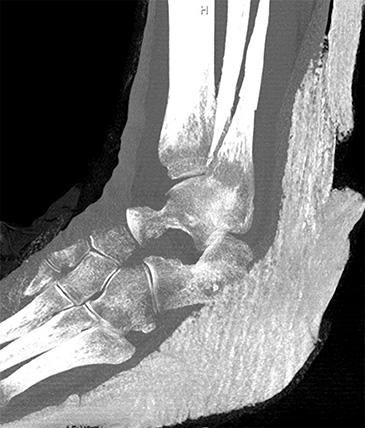
ANKLE FRACTURES
The ancle is the joint that connects the tibia and fibula to the bones of the foot, allowing movement and weight bearing. It can fracture after a fall or a twist. Some injuries only require rest and immobilization, while others need surgery to realign and stabilize the bones.
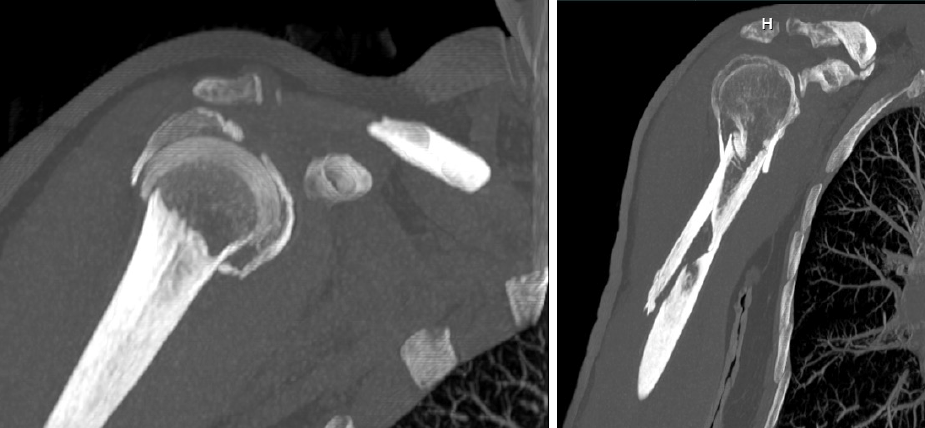
UPPER LIMB FRACTURES
These include fractures of the clavicle,, humerus,, elbow,, forearm, and wrist.Many can be treated with a cast or splint, but displaced or severe fractures often require surgery to fix the bones and restore strength and mobility.